

Mimosa Hostilis – Sacred Brazilian Ethnobotanical Tree Bark
Mimosa hostilis, also known as Mimosa tenuiflora or Jurema, is a highly respected tree native to Brazil and parts of Central and South America. Known for its rich cultural history, hardy growth, and unique botanical properties, this species has been used for centuries in traditional herbal systems and indigenous plant knowledge. Today, Mimosa hostilis is widely sought after by ethnobotanists, researchers, and collectors of rare botanical materials.
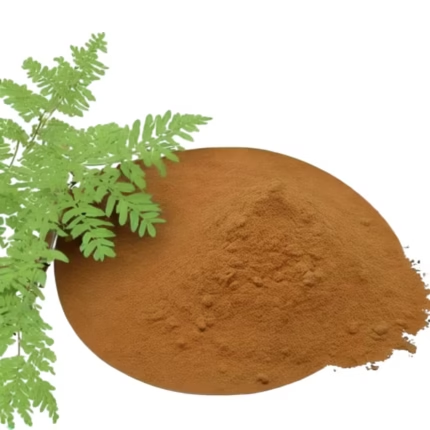
Our Mimosa hostilis root bark is ethically sourced and carefully prepared as a botanical specimen, making it suitable for research, educational use, dyeing, and botanical collections.
Botanical Overview
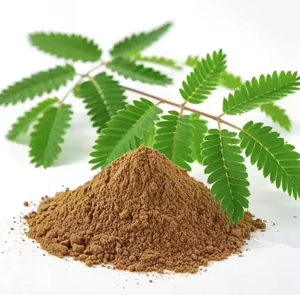
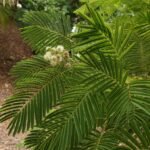
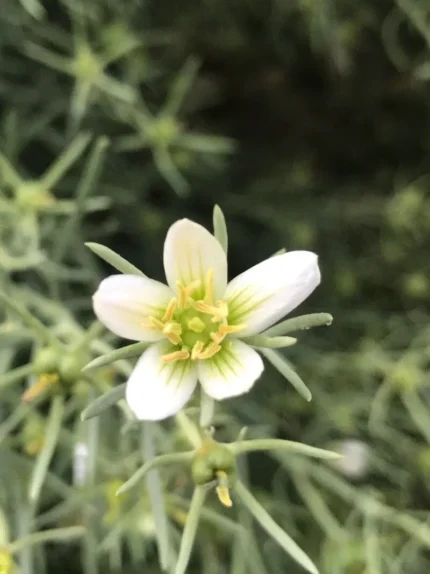
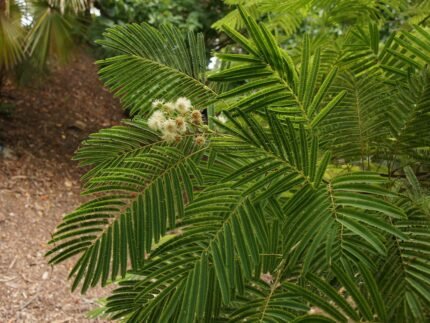
Mimosa hostilis is a fast-growing, drought-resistant tree that thrives in tropical and semi-arid climates. It features fern-like leaves, fragrant white flowers, and a dense hardwood structure. The root bark is especially valued for its deep purple-red coloration and high concentration of naturally occurring plant compounds, making it a unique material for botanical and traditional use.
Because of its adaptability and regenerative growth, Mimosa hostilis plays an important role in soil restoration and ecological balance in its native regions.
Cultural & Ethnobotanical Significance
Mimosa hostilis holds a central place in the traditional plant knowledge of northeastern Brazil, where it is known as Jurema. Indigenous cultures have used the tree for generations in ceremonial, medicinal, and practical applications. Ethnobotanists continue to study the plant for its historical importance and botanical complexity.
Its long-standing role in traditional systems makes Mimosa hostilis one of the most culturally significant trees of South America.
Quality & Ethical Sourcing
Our Mimosa hostilis is harvested using sustainable and ethical practices that protect both the environment and the local communities who cultivate it. The root bark is carefully cleaned, dried, and prepared without chemicals or fillers, preserving its natural color, texture, and botanical integrity.
Every batch is inspected for authenticity, freshness, and quality before being packaged.
Common Uses
Mimosa hostilis is commonly used for:
Ethnobotanical research
Natural dyeing and textile work
Botanical collections
Cultural and historical study
Educational displays
⚠️ This product is sold strictly as a botanical specimen and is not intended for human or animal consumption.
Storage & Handling
Store in a cool, dry place away from moisture and direct sunlight. Keep sealed when not in use to preserve quality and longevity.
Why Choose Our Mimosa Hostilis?
Verified botanical identity
Sustainably and ethically sourced
Carefully prepared root bark
Professionally packaged
Ideal for collectors, researchers, and educators
By choosing our Mimosa hostilis (Mimosa tenuiflora), you are investing in a powerful and culturally important botanical from South America’s rich plant heritage.

Reviews
There are no reviews yet.