

Blog
What Is a Sacred Cactus? A Beginner’s Guide

What Is a Sacred Cactus? A Beginner’s Guide
Sacred cacti are a group of special cactus species that have been respected and used for thousands of years in spiritual, ceremonial, and cultural traditions. More than just plants, these cacti have played an important role in the history, healing practices, and beliefs of Indigenous cultures across the Americas.
Today, sacred cacti are also valued by collectors, botanical enthusiasts, and conservationists who grow them for their beauty, history, and cultural meaning.
What makes a cactus “sacred”?
A cactus is considered “sacred” when it has been traditionally used in spiritual or ceremonial practices. These plants were believed to help people connect with nature, gain insight, and promote healing and reflection. Their use was guided by deep respect, ritual, and cultural knowledge passed down through generations.
Sacred cacti are not ordinary houseplants — they are living symbols of ancient traditions that continue to be honored today.
The most well-known sacred cacti
Peyote (Lophophora williamsii)
Peyote is a small, round, spineless cactus native to Mexico and the southwestern United States. It has been used for centuries in traditional ceremonies, particularly by Indigenous communities. Today, peyote is also grown as an ornamental and conservation plant by collectors who want to help preserve this rare species.
San Pedro (Echinopsis pachanoi)
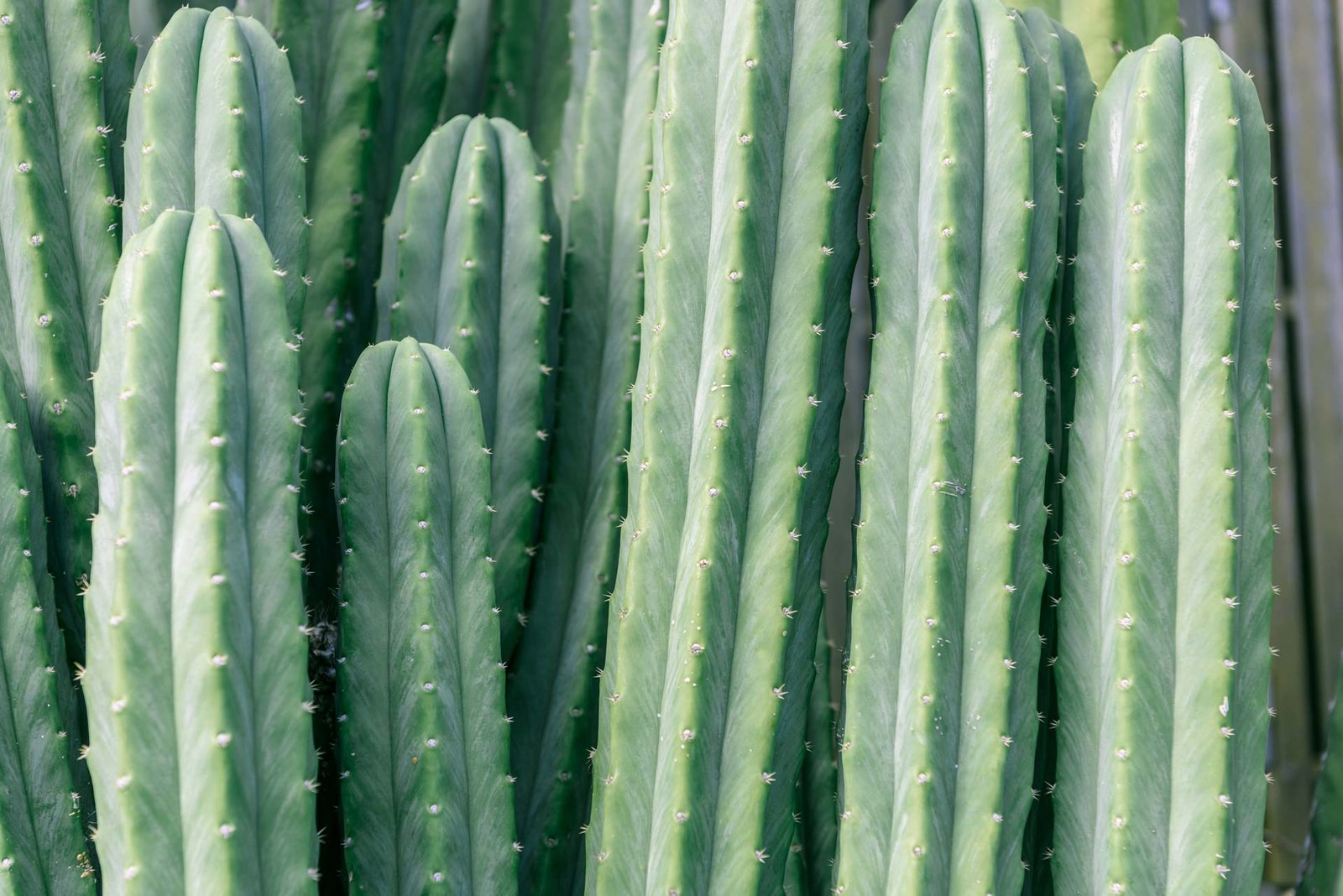
San Pedro, also called Huachuma, is a tall, fast-growing cactus from the Andes in South America. It is admired for its strong columns, ribbed structure, and large white flowers that bloom at night. San Pedro is one of the most popular sacred cacti for home growers due to its hardy nature and striking appearance.
Why people grow sacred cactus today
Many people grow sacred cactus for reasons that go beyond decoration. These include:
Cultural appreciation – Honoring ancient traditions and Indigenous knowledge
Conservation – Helping protect species that are endangered in the wild
Botanical interest – Enjoying their unique shapes, slow growth, and rare beauty
Spiritual symbolism – Keeping a meaningful living plant that represents connection to nature
Are sacred cacti legal to grow?
In many regions, sacred cacti such as San Pedro are legal to grow as ornamental plants. Peyote, however, is often protected by law and may only be grown or possessed under specific conditions, depending on location. Growing peyote from seed for conservation or collection is encouraged in many places to reduce pressure on wild populations.
Always check local regulations before buying or growing sacred cactus.
How sacred cactus supports conservation
Wild peyote populations are declining due to habitat loss and overharvesting. By growing sacred cactus from seed, collectors and gardeners help preserve these species for future generations. Home cultivation also helps ensure that these plants are respected and not removed from their natural environments.
Final thoughts
Sacred cacti are more than beautiful plants — they are living pieces of history, culture, and nature. Whether you are a collector, a gardener, or someone curious about plant traditions, growing sacred cactus offers a meaningful way to connect with one of the world’s most fascinating botanical legacies.