
Blog
“The History of Sacred Cactus in Indigenous Cultures

The History of Sacred Cactus in Indigenous Cultures
Sacred cacti have been an important part of Indigenous cultures in the Americas for thousands of years. These plants were never seen as ordinary vegetation — they were honored as powerful teachers, healers, and spiritual allies. Long before modern botany existed, Indigenous peoples developed deep knowledge of these cacti and their place in both the natural and spiritual worlds.
Today, sacred cactus plants continue to carry cultural meaning, even as they are grown by collectors and conservationists around the world.
Sacred cactus in ancient civilizations
Archaeological evidence shows that sacred cacti were used as far back as 5,000 years ago. Rock art, carvings, and ceremonial objects found in Mexico and the Andes depict cactus imagery, suggesting these plants held spiritual importance in early societies.
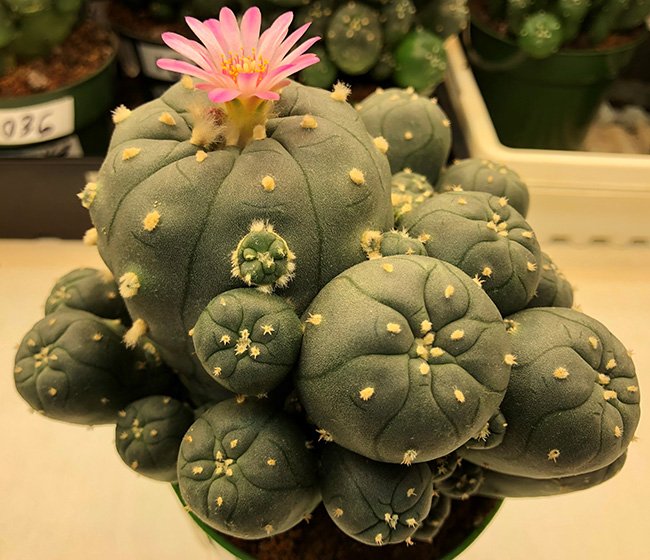
In Mesoamerica, peyote (Lophophora williamsii) was regarded as a holy plant associated with healing, visions, and divine communication. In South America, San Pedro (Echinopsis pachanoi) played a similar role, often appearing in ceremonial art and temple carvings.
These plants were believed to connect people with the spirit world and with nature itself.
Peyote and North American traditions
Among Indigenous peoples of northern Mexico and the southwestern United States, peyote became deeply woven into ceremonial life. It was used in prayer rituals, healing ceremonies, and spiritual gatherings. Peyote was never treated casually — its use followed strict traditions guided by elders and spiritual leaders.
Many of these traditions still exist today through groups such as the Native American Church, which continues to protect the sacred role of peyote.
San Pedro in the Andes
In the Andean regions of Peru and Ecuador, San Pedro cactus—also known as Huachuma—has been used for thousands of years in healing and spiritual practices. Ancient stone carvings, including those at Chavín de Huántar, show figures holding San Pedro cactus, confirming its ceremonial importance.
San Pedro was believed to help restore balance between the physical, emotional, and spiritual aspects of life.
Respect and conservation today
Modern interest in sacred cactus has brought new challenges. Wild peyote populations are declining due to habitat loss and overharvesting. Indigenous groups continue to advocate for legal protection and sustainable practices.
Growing sacred cactus from seed has become an important conservation method. By cultivating these plants at home, collectors can help preserve wild populations while honoring their cultural legacy.
Sacred cactus in the modern world
Today, sacred cacti are appreciated not only for their history but also for their beauty and symbolism. Many people grow San Pedro and peyote as ornamental plants, spiritual symbols, or living reminders of ancient traditions.
When grown respectfully and legally, sacred cactus can serve as a bridge between ancient wisdom and modern botanical appreciation.
Final thoughts
Sacred cacti are more than plants — they are living connections to Indigenous history, culture, and spirituality. By learning about their past and growing them responsibly, we help ensure that their story continues for generations to come.