

Blog
Bolivian Torch Cactus Care (Echinopsis lageniformis): Care, Growth, and Fascinating Facts

What Is the Bolivian Torch Cactus?
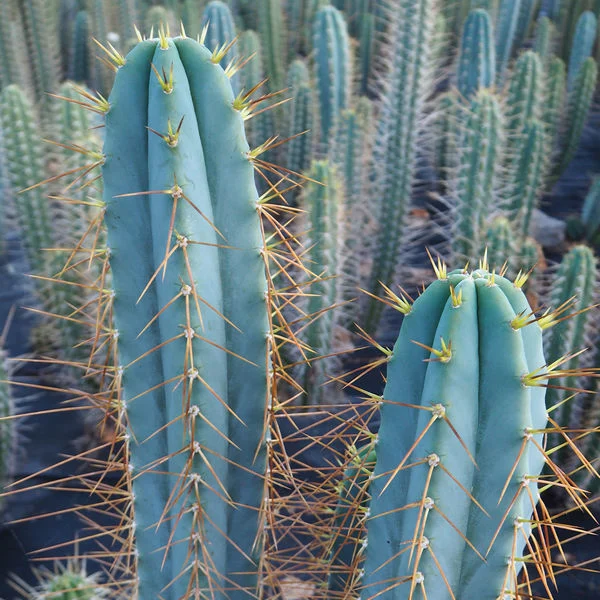
The Bolivian Torch cactus (Echinopsis lageniformis), also known as Trichocereus bridgesii, is a fast-growing, columnar cactus native to the Andes mountains of Bolivia. Famous for its towering height (up to 16 feet) and bluish-green stems lined with golden spines, it’s a favorite among cactus collectors and ornamental gardeners.
Key Features
• Height: Up to 5 meters (16 feet)
• Stem Color: Light green to bluish hues
• Ribs: 4–8 prominent ribs
• Spines: Golden-brown, up to 4 inches long
• Native Habitat: High deserts of Bolivia
Bolivian Torch Cactus Care Guide
Growing this cactus outside its native range is possible with the right conditions:
• Sunlight: Needs 6+ hours of direct sunlight daily
• Soil: Well-draining cactus mix, sandy texture preferred
• Watering: Only when soil is completely dry (drought-tolerant)
• Temperature: Best in USDA Zone 10a; protect from frost
• Propagation: Easily propagated from cuttings once callused
👉 Tip for humid climates (like coastal tropics): Grow in containers to control moisture and prevent root rot.
Cultural and Legal Considerations
The Bolivian Torch contains mescaline alkaloids, a psychoactive compound. While cultivation as an ornamental plant is legal in many regions, consumption may be restricted or illegal. Always check local laws before growing or handling.
Why It’s Popular
• Aesthetic Appeal: Tall, bluish columns make a dramatic garden centerpiece
• Low Maintenance: Thrives in tough conditions with minimal care
• Conversation Starter: Its history and striking appearance fascinate visitors
Final Thoughts
The Bolivian Torch cactus is more than a plant—it’s a living sculpture. With proper care, it can thrive for decades, becoming a resilient and eye-catching addition to any cactus collection or garden.